Introduction: The Evolution of Competitive Gaming
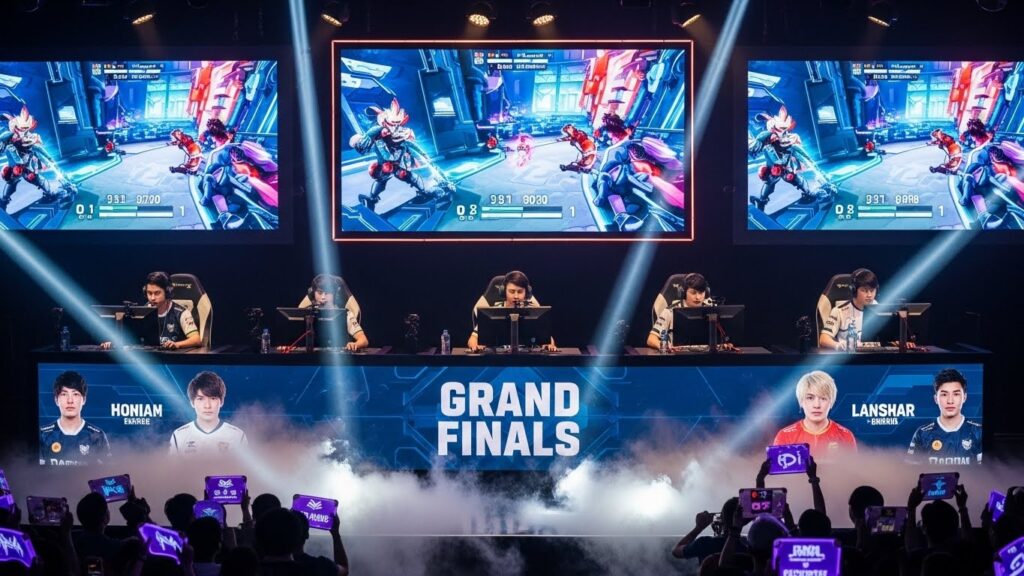
Esports has grown from a niche hobby into a global cultural phenomenon. What was once dismissed as casual gaming is now recognized as a legitimate form of competition with professional athletes, massive tournaments, and devoted audiences worldwide. The rise of esports reflects both technological advancement and societal shifts in how we view sports and entertainment. Today, esports players are celebrated as elite competitors, their matches are broadcasted to millions, and the industry generates billions of dollars in revenue. This transformation represents not only a revolution in gaming but also a new frontier for competition and digital culture.
The Roots of Esports: From Arcades to Online Competition
The origins of competitive gaming can be traced back to the 1970s when universities and gaming communities hosted small competitions for games like Spacewar and Pong. These early contests were informal, yet they laid the groundwork for organized competitive gaming. In the 1980s and 1990s, arcade tournaments became popular, where players competed for high scores and local recognition.
The real turning point came with the rise of personal computers and the internet. Multiplayer games such as Doom, Quake, and Warcraft allowed players to connect and compete over networks, making it possible to hold tournaments that spanned cities, countries, and eventually continents. By the early 2000s, games like StarCraft and Counter-Strike created professional scenes with dedicated fanbases. The seeds of modern esports were planted, establishing competitive gaming as a serious pursuit.
The Explosion of Esports: A Global Phenomenon
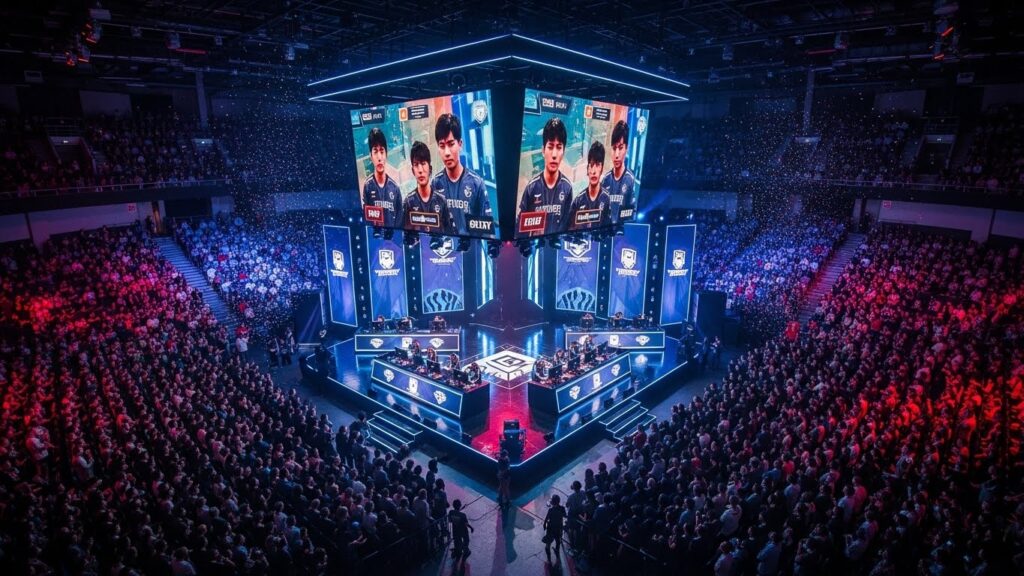
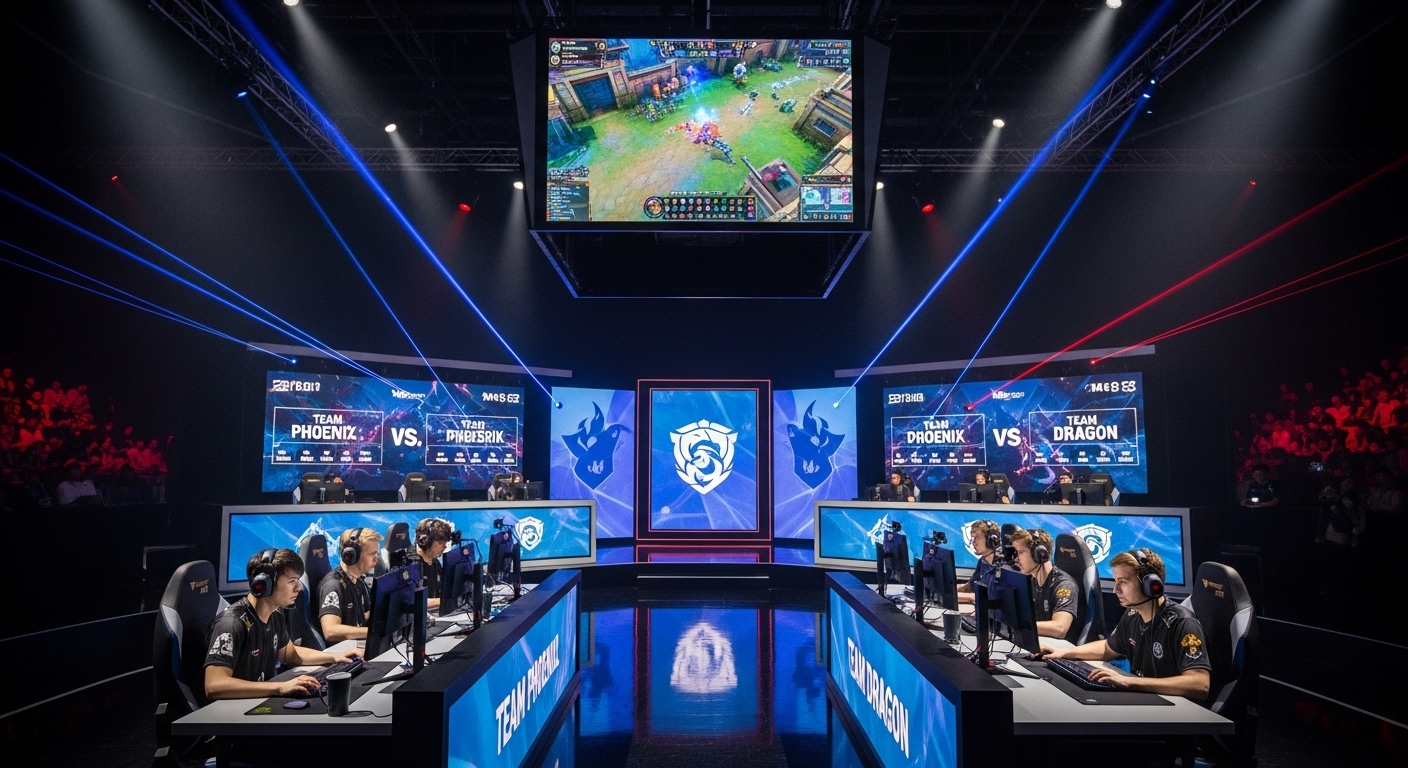
In the last decade, esports has transformed from niche communities into mainstream entertainment. Games like League of Legends, Dota 2, and Fortnite brought esports to the global stage with massive tournaments and unprecedented prize pools. These competitions are now comparable to traditional sports championships, with events filling stadiums and millions watching online.
Streaming platforms revolutionized the industry by allowing fans to watch live gameplay, interact with players, and follow entire competitive seasons from home. Platforms became the hub of esports culture, creating stars out of professional players and content creators. Major corporations recognized the potential, sponsoring teams and tournaments, and investing heavily in the industry. Esports has evolved into a multi-billion-dollar ecosystem that blends competition, entertainment, and business innovation.
Professional Players: Athletes of the Digital Age
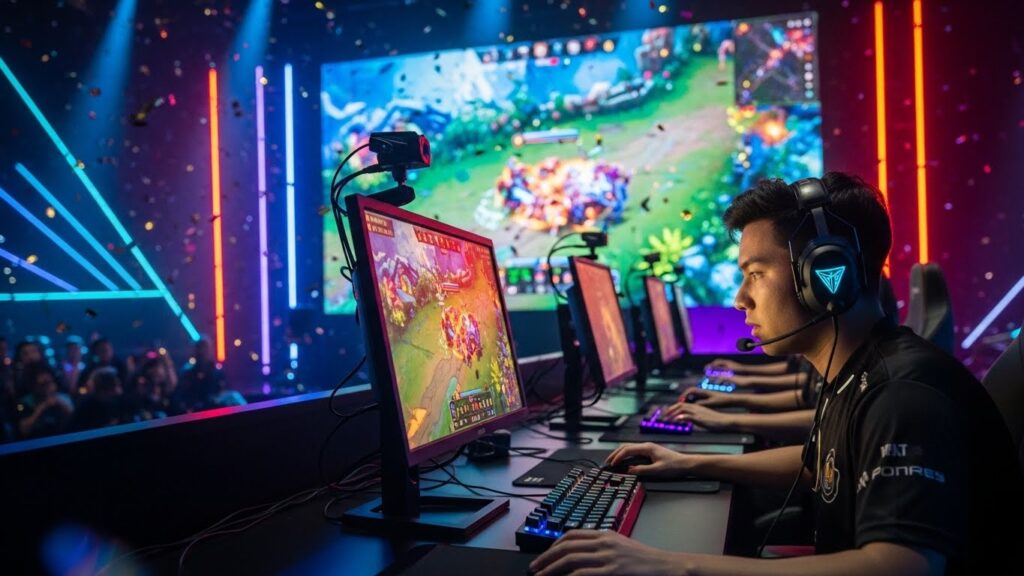
Professional esports players dedicate themselves to rigorous training and skill development, much like traditional athletes. A typical player spends several hours a day practicing, analyzing gameplay, and strategizing with their team. Success requires fast reflexes, sharp decision-making, precise coordination, and mental resilience.
Many esports athletes start their careers in their teenage years. By their early twenties, the most talented players achieve fame, sponsorship deals, and significant earnings. However, esports careers can be short due to physical strain, burnout, or shifts in game popularity. To address this, professional organizations now emphasize health, wellness, and sustainable practice routines, reflecting the evolving professionalism of the industry.
Popular Game Genres in Esports
Esports spans multiple genres, each with its unique gameplay and competitive strategies:
Multiplayer Online Battle Arenas (MOBAs): Games like League of Legends and Dota 2 feature team-based competition requiring coordination, tactical planning, and individual skill.
First-Person Shooters (FPS): Titles such as Counter-Strike: Global Offensive, Valorant, and Call of Duty emphasize accuracy, reaction time, and teamwork in high-pressure environments.
Battle Royale Games: Fortnite and PUBG popularized large-scale competitions where survival, strategy, and skill determine the last player standing.
Sports Simulations: FIFA and NBA 2K bring traditional sports into digital arenas, attracting fans who enjoy both the real-life sports and the gaming experience.
Fighting Games: Street Fighter, Tekken, and Super Smash Bros highlight one-on-one duels, focusing on timing, precision, and mastery of complex mechanics.
Each genre creates its own community, competitive standards, and professional circuit, contributing to the diversity of esports culture.
The Business of Esports
Esports has developed into a sophisticated business ecosystem. Teams generate revenue through sponsorships, merchandising, media rights, and event ticket sales. Corporations sponsor players, teams, and tournaments to reach a younger, digitally engaged audience.
Event organizers benefit from broadcasting deals and live attendance, while cities invest in esports venues to attract tourism and local economic growth. Professional esports teams operate like traditional sports organizations, with management, coaching staff, analysts, and marketing departments. Many teams also expand into content creation, social media, and merchandise, building brands that thrive beyond competitive success.
The Role of Technology and Streaming
Technology has been pivotal in esports growth. High-speed internet, powerful gaming hardware, and online platforms have connected players and audiences globally. Streaming has made esports accessible, allowing fans to watch live matches, engage with content creators, and learn from professional players.
The integration of emerging technologies such as virtual reality and augmented reality promises to elevate esports further. Immersive experiences could transform tournaments, creating events where fans feel as though they are part of the competition, bridging the gap between digital and physical entertainment.
Education and Career Opportunities in Esports
Esports has extended its influence into education and career development. Universities offer esports scholarships, dedicated programs, and degrees in areas such as game design, event management, and digital media. High schools encourage esports clubs, teaching teamwork, strategy, and digital literacy.
Beyond professional play, esports supports careers in coaching, broadcasting, production, marketing, and analytics. This diversity of opportunities highlights how esports blends creativity, technology, and business, creating a multi-dimensional career ecosystem for aspiring professionals.
Cultural Significance: Changing Perceptions of Gaming
Esports has reshaped societal perceptions of gaming. Once criticized as a solitary or unproductive activity, gaming is now celebrated as a legitimate form of competition. Tournaments attract massive live audiences, and players achieve celebrity status.
Esports also fosters global connections. Fans and players from different countries and backgrounds unite through shared passion for games, creating communities that transcend language, geography, and culture. Gaming becomes a tool for socialization, identity, and creativity, redefining the cultural impact of digital entertainment.
Challenges in Esports
Despite its growth, esports faces challenges that must be addressed for long-term sustainability. Player burnout is a major concern due to demanding schedules and performance pressures.
The industry also struggles with governance and regulation. Unlike traditional sports, esports lacks a unified regulatory body, leading to inconsistent rules, contracts, and competition standards. Issues such as cheating, match-fixing, and toxicity in online communities continue to pose risks.
Diversity remains a challenge. Female players and marginalized groups are underrepresented, and inclusivity initiatives are critical for the growth of the community. Additionally, the economic model must ensure fair revenue distribution, supporting smaller teams and grassroots initiatives alongside top-tier organizations.
The Future of Esports
Esports is poised for further growth. Technological advancements such as 5G, cloud gaming, and artificial intelligence will enhance gameplay, accessibility, and viewer experience. Mobile esports is expanding rapidly, allowing new audiences to participate globally.
Esports may also integrate further into traditional sports and entertainment, with discussions of esports in international competitions gaining traction. Collaborations with music, film, and fashion will create hybrid events, blending digital sports with broader cultural experiences.
The industry’s future is bright, offering new forms of entertainment, social engagement, and career opportunities. As technology evolves and digital culture continues to expand, esports will remain at the forefront of a new era of competition and connection.
Conclusion: More Than Just a Game
Esports has grown into a global phenomenon that transcends traditional notions of sports and entertainment. It combines skill, strategy, technology, and culture into a dynamic ecosystem where players, fans, and organizations thrive.
The industry represents a shift in how we perceive competition, offering opportunities for professional careers, educational pathways, and cultural engagement. As esports continues to evolve, it redefines the limits of gaming, proving that the digital arena is just as compelling, challenging, and inspiring as any physical playing field. The rise of esports is not just a trend—it is a revolution, shaping the future of competition, entertainment, and human connection.